Ukraine: From Nuclear Power to Battleground — What Went Wrong?

There was a time when Ukraine stood as the third-largest nuclear power in the world.
But today, its sovereignty hangs in the balance as foreign powers — including those who once guaranteed its territorial integrity — now decide its fate. What happened?
After gaining independence from the Soviet Union in 1991, Ukraine inherited a massive stockpile of nuclear weapons. It possessed the world’s third-largest arsenal, second only to the United States and Russia.
This included hundreds of intercontinental ballistic missiles (ICBMs) capable of reaching the U.S., thousands of nuclear warheads, and strategic bombers designed to carry them.
Yet Ukraine, still a young and fragile state, lacked the technical, economic, and political capacity to maintain or operate this nuclear arsenal independently.
The future of this arsenal was ultimately decided not in Kyiv, but in Washington and Moscow.
The United States strongly urged Ukraine to relinquish its nuclear weapons, arguing that a country without the infrastructure to safely manage them posed a risk to global security.
In return, Washington promised economic and security support if Ukraine joined the global effort to reduce nuclear arms.
Russia, as the legal successor of the Soviet nuclear arsenal, demanded that all remaining nuclear weapons in Ukraine, Kazakhstan, and Belarus be transferred to Moscow.
This led to the signing of the **Budapest Memorandum** in 1994 — a pivotal agreement under which Ukraine agreed to give up its nuclear arsenal in exchange for security assurances.
The U.S., Russia, and the U.K. pledged to respect Ukraine’s independence, sovereignty, and existing borders.
𝐁𝐮𝐭 𝐟𝐚𝐬𝐭-𝐟𝐨𝐫𝐰𝐚𝐫𝐝 𝐭𝐨 𝐭𝐨𝐝𝐚𝐲, 𝐚𝐧𝐝 𝐭𝐡𝐚𝐭 𝐩𝐫𝐨𝐦𝐢𝐬𝐞 𝐥𝐢𝐞𝐬 𝐢𝐧 𝐫𝐮𝐢𝐧𝐬.
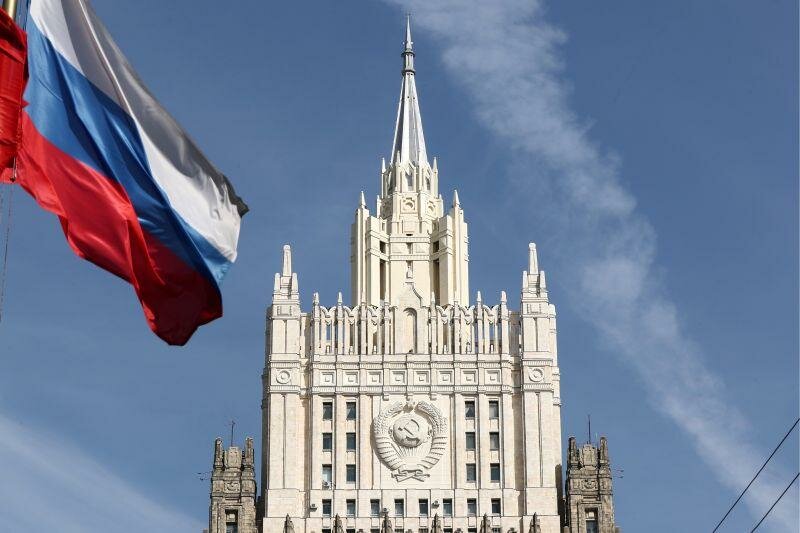
The very country that signed the pledge — Russia — has invaded and annexed parts of Ukraine, including Crimea and regions in the east. Meanwhile, the United States, once a guarantor of Ukraine’s security, now rolls out the red carpet for Russian President Vladimir Putin. Ironically, discussions between global powers now center not on Ukraine’s protection — but on how to divide and control its resources.
The Ukraine of today is a stark reminder of what happens when a nation relinquishes its strategic defenses and entrusts its future to external guarantees. It’s a case study in broken promises — and the high cost of surrendering national security for uncertain assurances.